

The Canadian Human Rights Tribunal has issued a decision in favor of six Indigenous day school survivors who allege that the RCMP inadequately investigated reports of abuse by one of their teachers during the 1960s and 1970s.
In its ruling, the tribunal has mandated the RCMP to compensate the survivors and reassess its policies concerning investigations of crimes against Indigenous individuals.
In the comprehensive 145-page ruling, tribunal member Colleen Harrington stated that “race and national or ethnic origin played a role in the unfavorable differential treatment or denial of service experienced by some complainants and their witnesses in relation to the RCMP’s investigations.”
The complainants are part of the Lake Babine Nation and were students at the former Catholic-operated Immaculata Elementary School located in Burns Lake. This day school served the First Nation and was situated approximately 220 kilometers northwest of Prince George, B.C. The school ceased operations in the 1980s.
In 2012, they reported historical incidents of physical, emotional, and sexual abuse by their former physical education teacher to the Prince George RCMP, who subsequently closed the case without pressing any criminal charges. The name of the former teacher is protected by a publication ban.
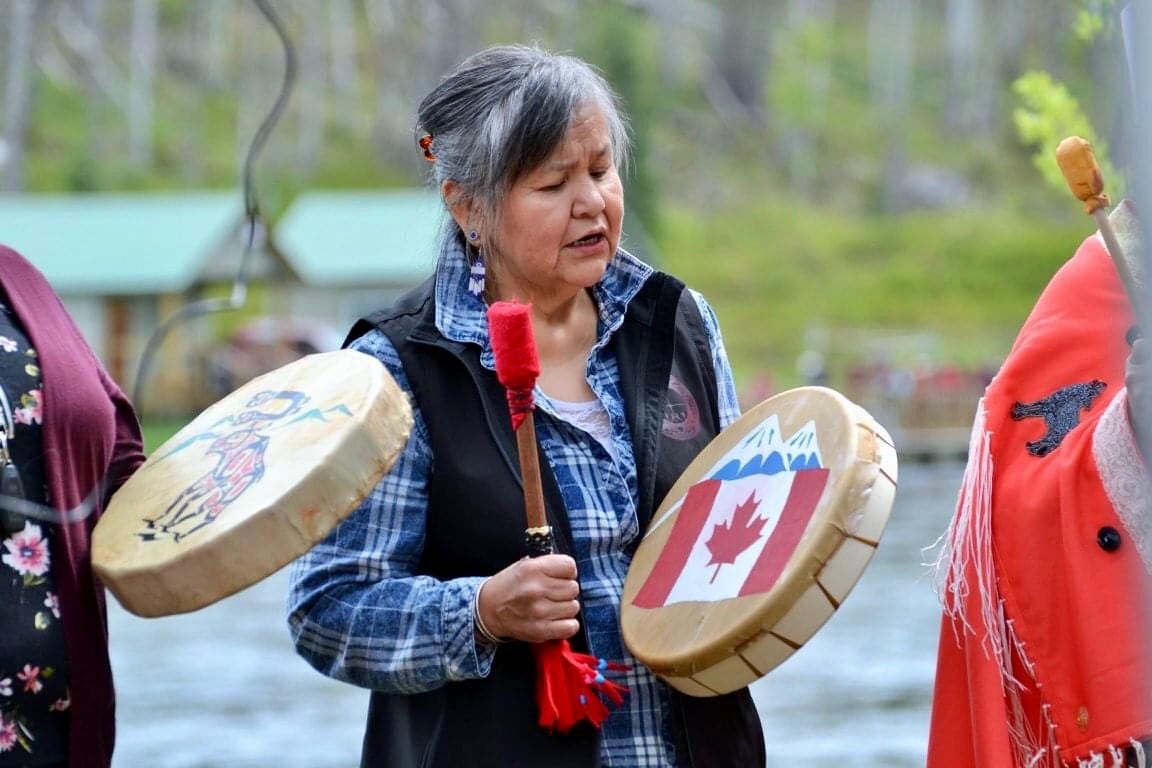
Dorothy Williams, a day school survivor, testified at the Canadian Human Rights Tribunal hearing which started on May 1, 2023, related to alleged abuse at Immaculata Elementary School in Burns Lake, B.C. (Dorothy William)
The six survivors who filed a human rights complaint against the RCMP in 2017 are Cathy Woodgate, Richard Perry, Dorothy Williams, Ann Tom, Maurice Joseph, and Emma Williams.
They sought an apology from the RCMP regarding its handling of the investigation into whether their former teacher should face criminal charges.
The tribunal convened in May 2023 in Burns Lake, with hearings continuing through videoconference for the remainder of the year and into early 2024. Sadly, Woodgate, Tom, and Emma Williams passed away before the tribunal proceedings commenced.
-
‘We got hit all the time’: Human Rights Tribunal hears of abuse at Catholic day school
-
Survivors set to testify RCMP mishandled abuse allegations at day school in Burns Lake, B.C.
In her verdict, Harrington identified specific discriminatory actions by the RCMP. She noted that they failed to inform Peter Mueller that he could independently report his abuse at Prince George College. Additionally, the RCMP did not update Perry, Joseph, Williams, Woodgate, Ruby Adam, and Pius Charlie on the investigation’s findings regarding their abuse allegations.
“Or, in the instances of Ms. Woodgate, Ms. Adam, and Mr. Charlie, they were not informed that they could report their abuse at Immaculata to the RCMP; and, by repeatedly asking Beverly Abraham to undergo a polygraph after she disclosed her childhood sexual assault,” Harrington wrote.
‘Reckless discrimination’
Harrington ordered the RCMP to pay a total of $7,500 in damages, plus interest, to eight individuals identified by the tribunal — including both complainants and witnesses — within 90 days, as compensation for pain and suffering due to willful and reckless discrimination.
Furthermore, Harrington instructed the RCMP to conduct a thorough review of all its policies, practices, procedures, and training regarding the treatment of Indigenous crime complainants, witnesses, and others associated with investigations of historical abuse claims involving Indigenous peoples, ensuring that service delivery is trauma-informed and culturally sensitive.
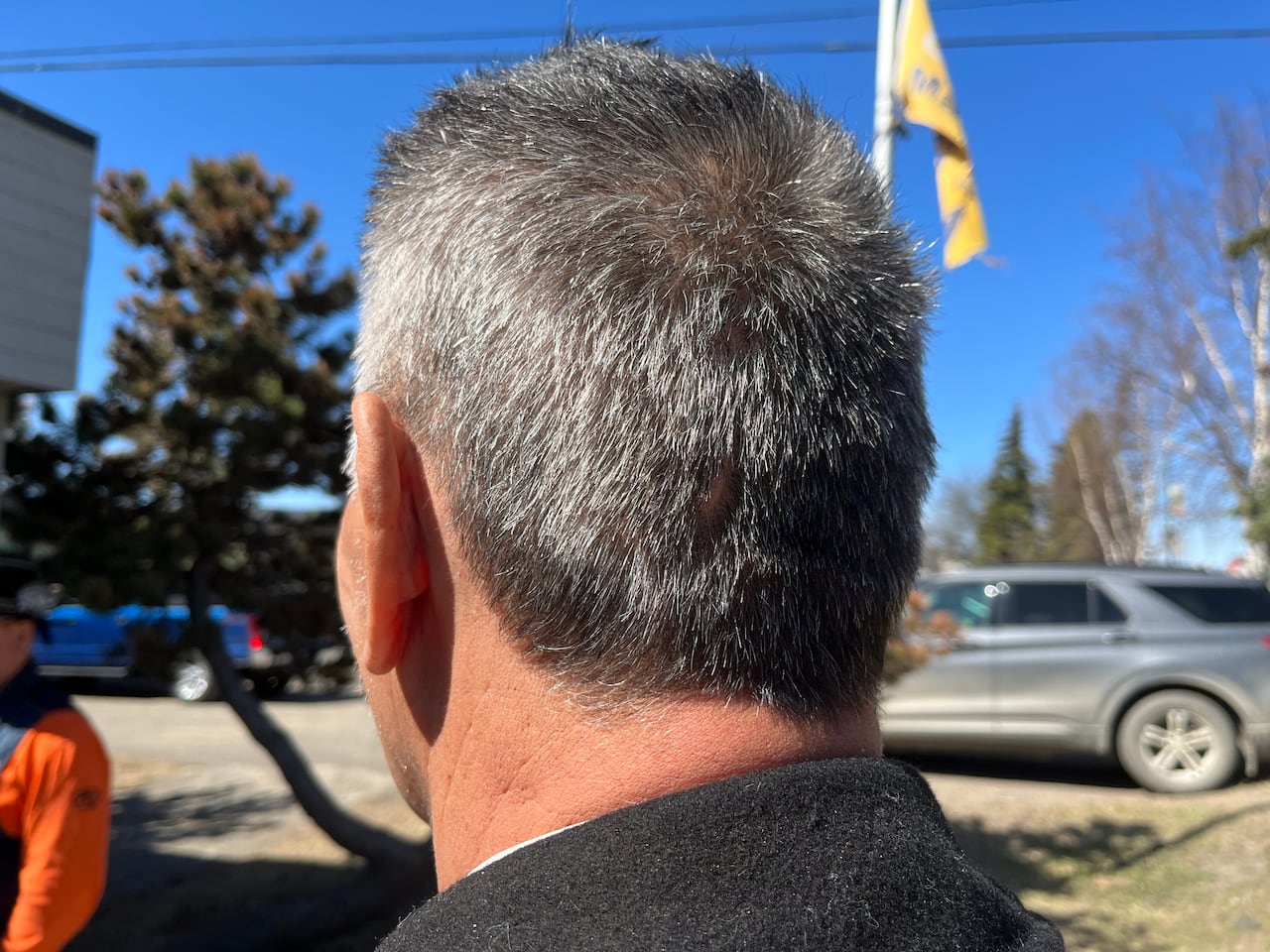
Richard Perry is depicted during the Canadian Human Rights Tribunal proceedings in 2023. He turned around to show a scar through his graying hair, still visible more than 50 years after he claims he endured abuse at Immaculata Elementary School. (Kate Partridge/CBC News)
She stated that the RCMP must provide a report detailing the results of the policy review within one year from the date of the decision.
“I recognize that the complainants felt disrespected by the RCMP’s investigation into their abuse allegations as children, resulting in a sense of being unheard and disbelieved,” she concluded.
“This inquiry has highlighted that mistrust and a lack of cultural safety are ongoing obstacles for Indigenous individuals in northern B.C. when accessing police services.”
Harrington encouraged the RCMP to “transform the negative societal perception that Indigenous people in the area have of the RCMP into a positive one.”