

According to CBC News, two individuals — including a 22-year-old international student — passed away following plasma donations at collection centers in Winnipeg that compensate donors.
Health Canada is currently investigating the fatalities, having confirmed it received reports of two deadly adverse reactions from plasma donors — one in October of the previous year and another on January 30, 2026.
The federal agency stated that it is still evaluating these reports and has not established a connection between the plasma donations and the deaths. The company operating the donation center indicated that it has “no reason to believe” the incidents are related.
Rodiyat Alabede, originally from Nigeria, died on October 25 after friends reported that she attended an appointment at the Grifols Plasma Donation Centre located on Taylor Avenue.
“She was always joyful. She had so many aspirations, especially after moving to Canada,” shared her close friend, Mary Ann Chika. “She held a significant place in my heart.”
Alabede relocated to Winnipeg in 2022 to pursue studies at the University of Winnipeg, aiming to become a social worker.
Chika noted that Alabede was passionate about helping others, particularly those with disabilities.
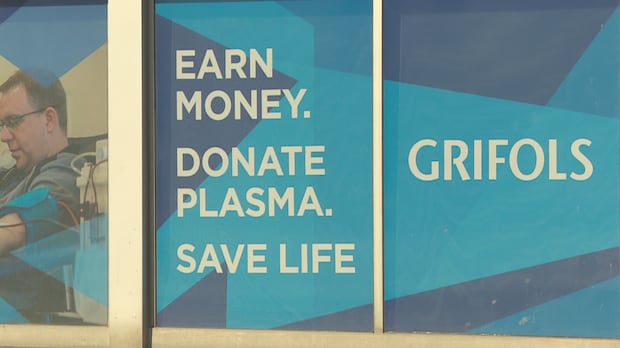
Two people, including a 22-year-old international student, died after giving plasma at Winnipeg collection centres that pay people for their donations.
Although Chika was not present during Alabede’s visit to Grifols, she was the one to identify her friend at the hospital after death was confirmed.
She mentioned that doctors had limited information to share but indicated that Alabede’s heart stopped while she was donating plasma.
“And by the time she reached the hospital, she had already passed away,” Chika recounted.
- Do you have a tip you want to share? Send your tips in confidence to iteam@cbc.ca or call us at 204-788-3744.
Health Canada reported that the second fatal adverse reaction occurred on January 30 after a donation at Grifols’ location on Innovation Drive. The spokesperson could not provide additional details on the individual due to privacy regulations.
Grifols, a company based in Spain that focuses on producing plasma-derived medications, operates more than a dozen plasma collection centers across Canada.
After acquiring Canadian Plasma Resources, this for-profit company has been active in Winnipeg since 2022, running two local centers — one on Taylor Avenue and another on Innovation Drive — where donors receive payment for their plasma.
A representative from Grifols declined to participate in an interview.
-
Blood donors surprised Canadian plasma products being sold abroad
-
Equipment failure at Winnipeg clinic caused blood plasma donor’s kidney injury, lawsuit alleges
In a statement via email, a spokesperson mentioned that an internal review was performed and “based on the current information available, we have no reason to conclude there is a connection between the deaths of the donors and the plasma donation.”
According to Grifols’ website, plasma donors can receive payments of up to $100 per donation, with additional incentives based on donation frequency, including a $50 bonus for every 10 donations made within a six-week period.
All plasma collection facilities are regulated by Health Canada and are required to report any serious reactions experienced by donors during the donation process or within 72 hours afterward.
‘Like getting struck by lightning’: doctor
Experts expressed surprise at the occurrence of two deaths in such a brief time frame, noting that plasma donation is generally safe, comparing the rarity of such incidents to “being struck by lightning.”
Dr. Ryan Zarychanski, a hematologist with expertise in blood disorders, emphasized that it is highly unusual for someone to die after donating plasma.
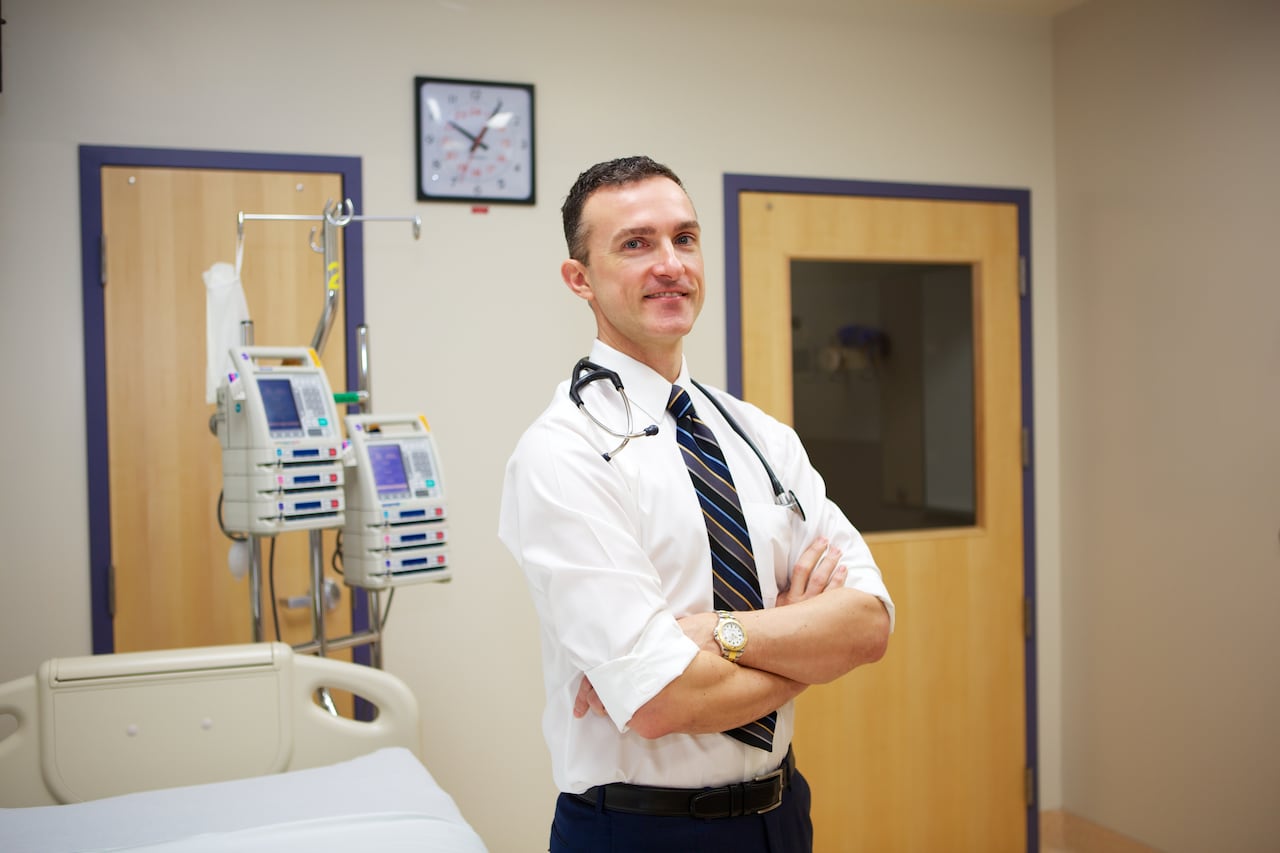
Dr. Ryan Zarychanski, a hematologist specializing in blood disorders, states that plasma donation is safe.
(Submitted by University of Manitoba)
With over ten years of experience in the field, he noted that the most severe reaction he has encountered involved a donor fainting during the procedure.
He remarked, “The likelihood of someone suffering severe harm from plasma donation is comparable to being struck by lightning.”
Zarychanski highlighted several factors that might lead to serious complications, such as equipment malfunctions, improper procedures, or if the donor’s health status is not adequate.
This raises many questions regarding how these incidents transpired.
“Are donors being adequately screened?… Are the staff conducting the procedures properly trained? Are the machines functioning correctly? Is there effective oversight of the programs as a whole?” he queried.
Grifols prioritizes safety
A Grifols spokesperson refrained from disclosing further information about the circumstances surrounding the deaths, emphasizing the importance of respecting the review process and the families of the donors.
The spokesperson expressed sadness upon learning of the recent losses among their donors.
“The health and safety of our donors is our foremost priority,” the spokesperson stated in an email.
“Each donor undergoes a thorough health history assessment and physical examination before being approved to donate.”
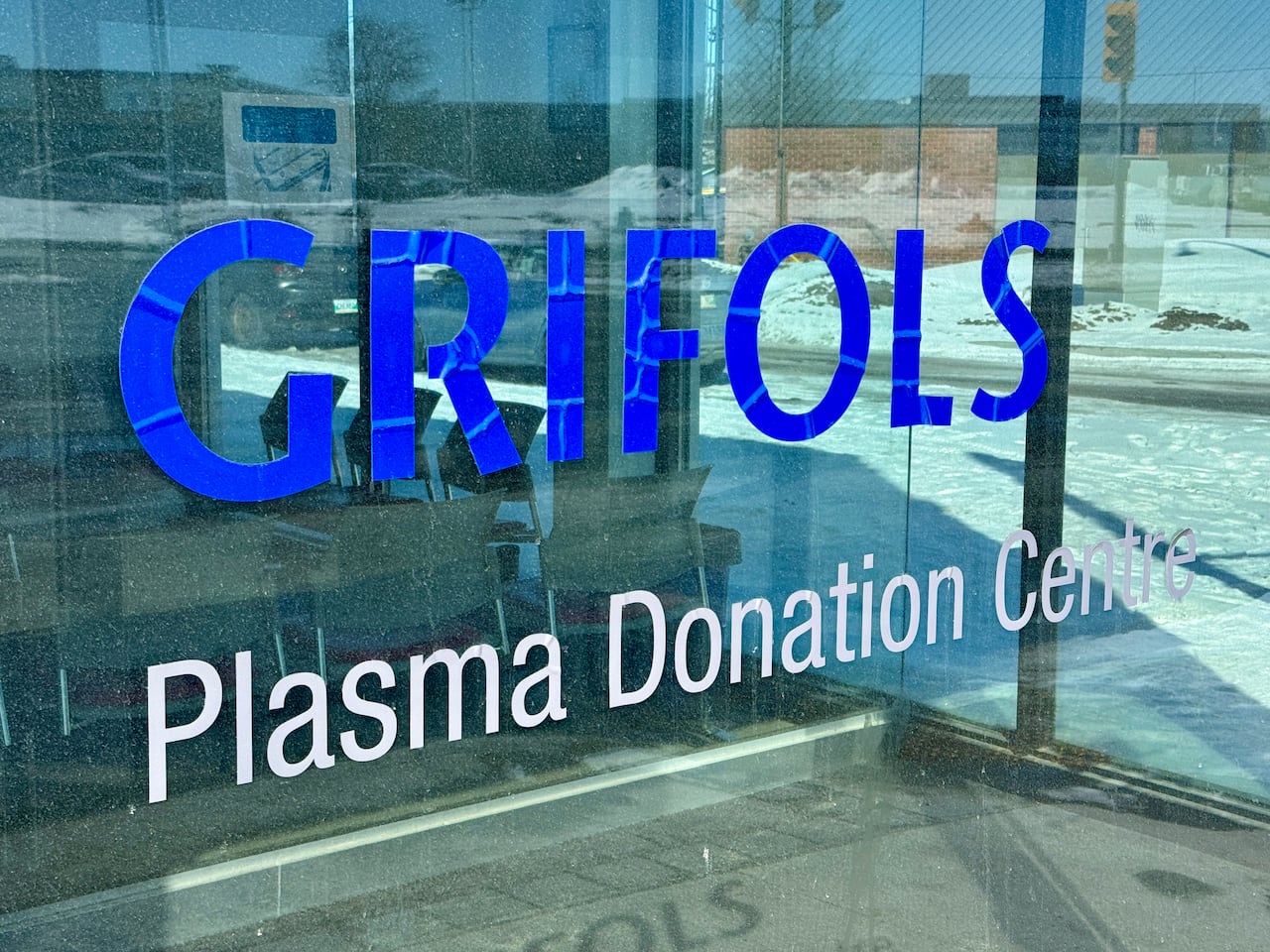
Friends report that Rodiyat Alabede went to the Grifols location on Taylor Avenue for a paid plasma donation. (Justin Fraser/CBC)
Following each report, Health Canada “promptly conducted on-site inspections” at the plasma collection centers, as stated by a Health Canada spokesperson in an email.
The spokesperson noted that they reviewed incident-related records, ensured that standard operating procedures were adhered to, and confirmed that there were enough qualified staff on site.
They are still reviewing the gathered information and will take necessary actions to rectify any areas of non-compliance at the clinics, the spokesperson added.
Eligibility to donate plasma
Each province determines whether individuals can receive payment for plasma donations. Currently, only Ontario, British Columbia, and Quebec have enacted laws prohibiting paid plasma clinics.
However, centers have opened in Ontario due to a partnership formed in 2022 between Canadian Blood Services and Grifols, which is exempt from the ban.
Individuals can also opt to donate plasma to Canadian Blood Services, a non-profit organization responsible for managing the national blood product supply across all provinces and territories except Quebec.
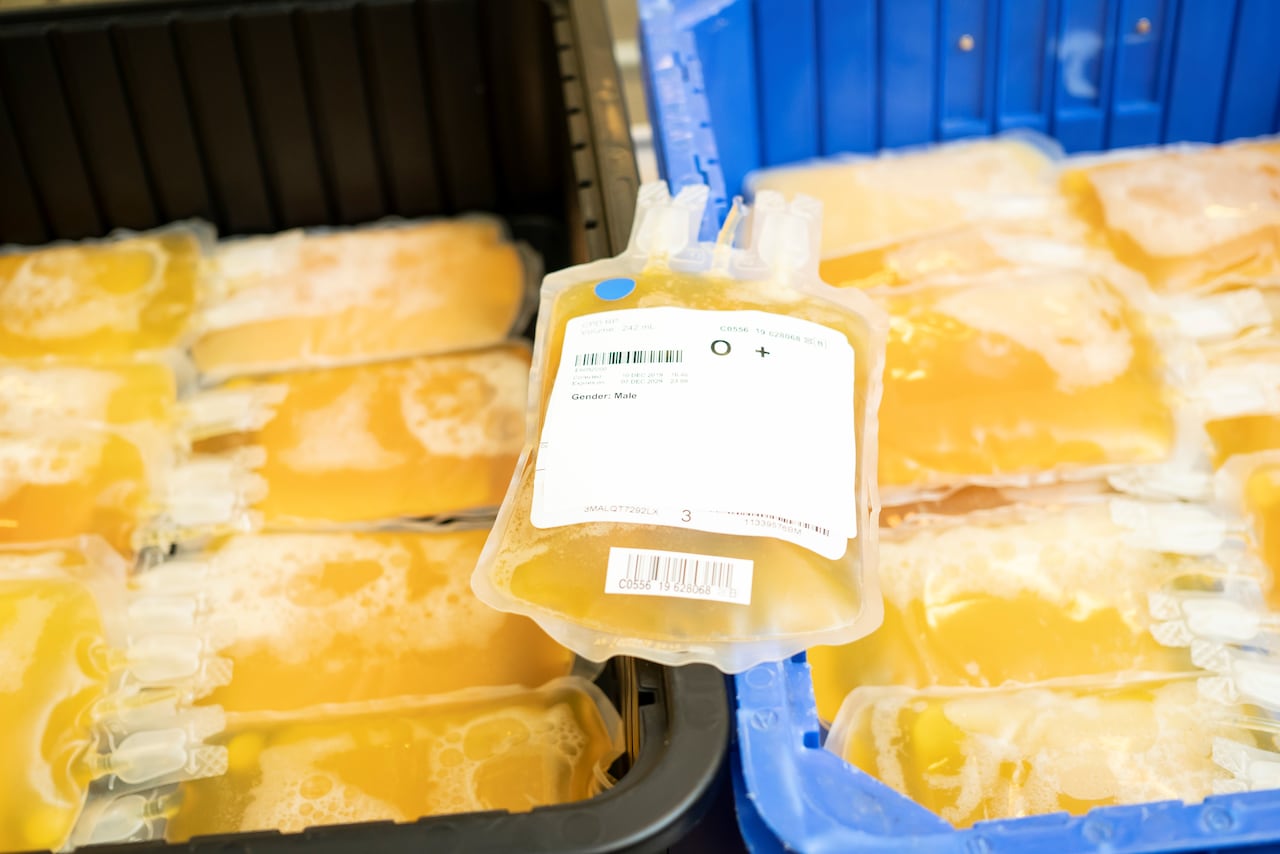
Plasma is a protein-rich liquid that aids in the treatment of bleeding disorders, liver diseases, and cancer. It is collected through a machine that extracts blood from an individual’s arm, separates the plasma, and returns the other components to them. (Submitted by Hiep Vu/Canadian Blood Services)
Plasma, a liquid rich in proteins, is essential for treating bleeding disorders, liver ailments, and cancer. It is obtained through a machine that extracts blood from a donor’s arm, separates the plasma from red blood cells and platelets, and then returns the remaining components to the individual.
As outlined in Grifols’ donation eligibility criteria, potential donors must:
- Be aged between 17 and 68.
- Weigh between 50 kg and 180 kg.
- Complete a questionnaire and undergo a medical assessment.
- Have eaten a balanced meal rich in protein within two hours prior to donation.
- Not have received a tattoo or piercing in the last six months.
- Not have donated blood (as opposed to plasma) in the past 56 days.
Chika expressed her uncertainty regarding how her friend was screened or what may have led to her death.
Reflecting on Alabede’s first year in Winnipeg, she remembers assisting her with adjusting to life in Canada, while Alabede provided her with valuable advice and support.
Now, Chika aims to uncover the truth behind her friend’s death as her final act of friendship.
“We are all left in the dark,” Chika stated. “Understanding what truly happened would bring us a great deal of closure.”
Tag: rewrite-pending