

A support drop-in centre in Bridgewater is set to close due to its inability to tackle rising issues related to crime, loitering, and drug use in the vicinity, according to the town’s mayor.
Cedar Place, managed by the John Howard Society of Nova Scotia, was established on King Street in February 2024, providing services such as employment assistance, addiction support, laundry and shower facilities, as well as hot meals for clients.
Mayor David Mitchell of Bridgewater stated that during its two years of operation, numerous complaints have been lodged by local residents and business owners, alongside a notable increase in police calls in the area.
However, the community outreach service of the John Howard Society and the supportive housing units situated above the drop-in centre will continue to function.
“We will ensure that those who require services experience minimal disruption, while those who were simply causing issues without utilizing any services will be removed,” Mitchell remarked in an interview with CBC’s Information Morning Nova Scotia on Monday.
The final day of operation for the drop-in centre will be March 27, he confirmed.
Following Mitchell’s call for Cedar Place to shut down last September, the John Howard Society expressed its dedication to improving conditions, including adding more security personnel, but the mayor indicated that these measures were ineffective.
“It’s evident that there wouldn’t be any progress on this front,” he stated. “Ultimately, our main concern is the safety of the community, and we couldn’t delay any longer. Two years is far too long to wait for changes.”
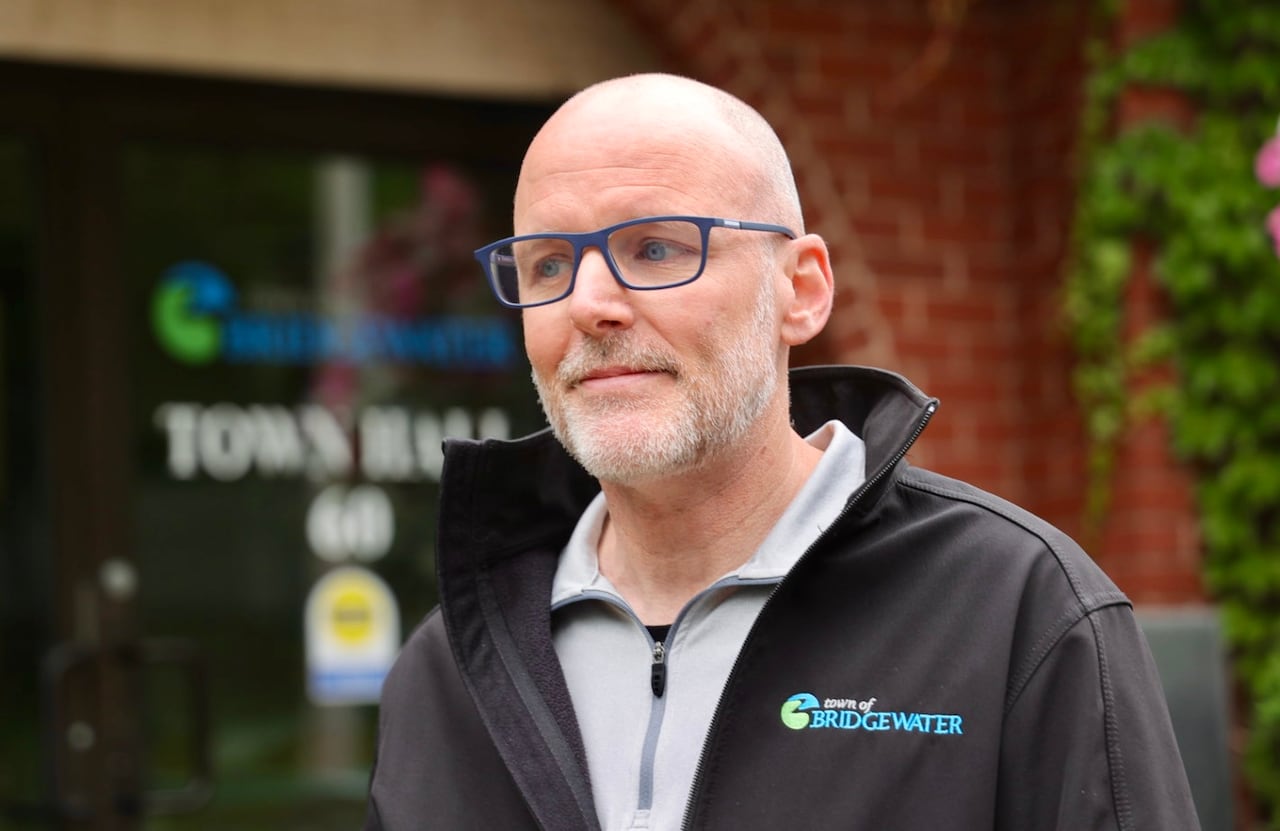
Bridgewater’s mayor, David Mitchell, states that the town was dissatisfied with the John Howard Society’s response to complaints regarding its drop-in centre. (Jeorge Sadi/CBC)
Data provided by Bridgewater police indicates a dramatic rise in overnight detentions since Cedar Place’s inception, increasing from an average of approximately 75 to 90 annually to 364 in 2025 alone, with 32 percent of those detained being direct clients of the drop-in centre.
“Since Cedar Place opened, we have seen a considerable rise in community complaints originating from the downtown area,” noted Danny MacPhee, the deputy police chief of the town.
“We began receiving numerous reports of public intoxication, drug use in open spaces… and subsequently, a significant influx in arrests, court cases, and detentions of intoxicated individuals.”
Mitchell characterized the drop-in centre as having transformed into “primarily a gathering spot” instead of a venue for individuals seeking services.
-
John Howard Society defends its Bridgewater drop-in centre
-
Bridgewater mayor calls for relocation of drop-in centre amid rising concerns
This portrayal has been previously disputed by the John Howard Society, which stated in a social media post last September that the demand for services at Cedar Place highlighted a genuine need for its offerings.
“Cedar Place has served as a daytime sanctuary for those facing severe challenges, and it’s important to recognize that our clients are part of the Bridgewater community,” the post emphasized.
“While we acknowledge that an uptick in foot traffic can sometimes lead to issues such as litter and behaviors that may raise concerns, we believe that the services we provide ultimately help decrease crime associated with survival needs and assist in de-escalating potential disruptions.”
Mitchell admitted that many individuals still require the centre’s services, but stated that the town, along with the province’s Department of Opportunities and Social Development, which funded Cedar Place, is collaborating on a solution to address this gap.
“We are quite confident that there will be alternative options for them, and we are actively working on this, with the province being a supportive partner,” he noted.
In an email statement, the Department of Opportunities and Social Development mentioned that the decision to close the drop-in centre followed consultations with the town and the service provider, after “extensive efforts to stabilize operations and address community concerns.”
The department indicated it is collaborating with Bridgewater, community stakeholders, and service providers to ensure “continuity of supports” for individuals who utilized the centre, though no further information was provided.
Looking ahead, the department stated that efforts will focus on establishing a 24/7 emergency shelter at a different site. However, this would be a shelter, not a drop-in centre.
“No decisions have been made regarding funding a standalone drop-in model at this point,” the department conveyed.
In a statement via email, the John Howard Society of Nova Scotia indicated that it is preparing a response regarding Cedar Place’s closure and is working with the town and other service providers to ensure that the needs of those who utilized the drop-in centre are still met within the community.
The society opted not to comment on Mitchell’s assertion that the drop-in centre contributed to an increase in crime within the community.
MORE TOP STORIES
-
Historians want N.S. legislature to call timeout on Birthplace of Hockey Act
-
Society questions naming process for park honouring African Nova Scotian women
-
N.S. government MLAs say grant cuts necessary to protect ‘core’ services
-
N.S. farmers hope snowy winter will mitigate effects of drought
-
American investment in EverWind to kick-start buildout of first 4 wind farms
Tag: rewrite-pending