

Upon arrival in India for a six-day trade mission, B.C. Premier David Eby was focused on maximizing meetings and generating interest in his province’s resources. Just under a year ago, this goal would have seemed nearly unattainable due to strained relations between Canada and India.
Speaking to CBC News in Mumbai, Eby expressed satisfaction with the progress made, noting significant interest in British Columbia’s mining sector, particularly in critical minerals like nickel and copper.
Both Canada and India are seeking to broaden their trade partnerships in response to hefty tariffs imposed by U.S. President Donald Trump on both countries, coupled with sovereignty challenges faced by Canada.
Despite obstacles, Eby emphasized the importance of addressing transnational repression concerns while engaging in discussions with disagreeing trading partners.
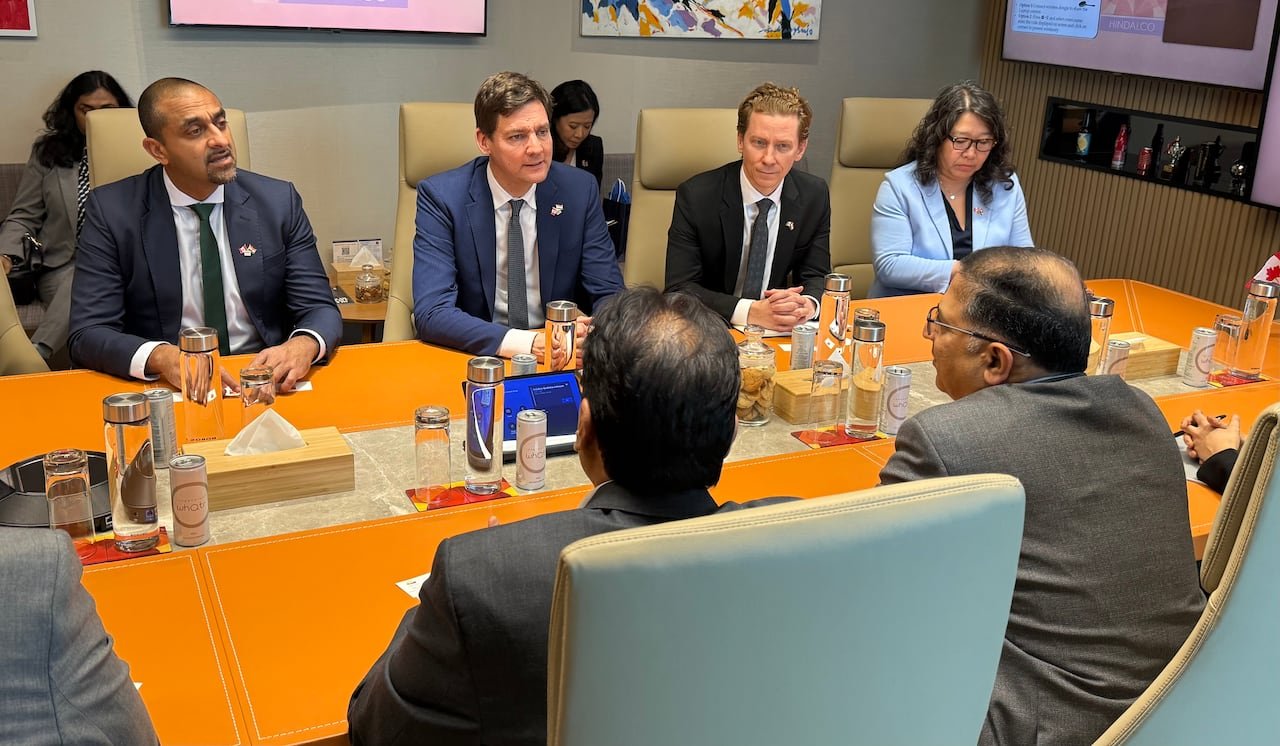
Exploring India’s Approach
Throughout his short trip, the premier discovered a keen interest from Indian companies in B.C.’s liquefied natural gas projects, with a stronger emphasis placed on acquiring raw materials to facilitate the transition to clean energy.
There is a growing interest in reducing energy imports in India through the adoption of solar power complemented by battery storage, which necessitates materials like nickel, cobalt, lithium, and copper found in British Columbia.
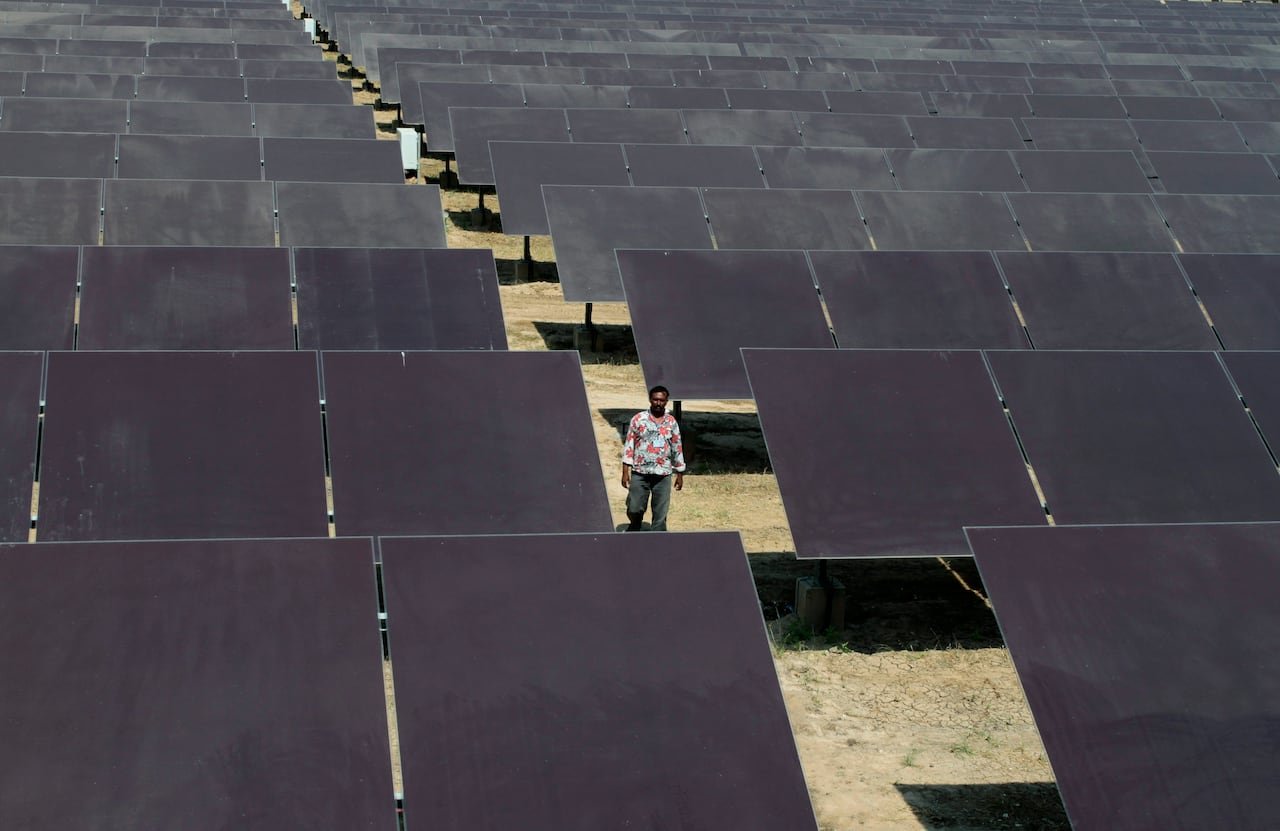
Eby was impressed by the optimistic economic outlook shared by the executives he engaged with, reflecting India’s robust economic growth and its rising status among global economies.
India’s proactive stance in foreign policy, emphasizing strategic autonomy, is evident in recent agreements with the U.K. and the United Arab Emirates, aligning with its independent decision-making approach based on national interests.
Evolution of Relations
Eby’s visit, marked by a scaled-down trade mission, followed similar engagements by other Canadian officials like Ontario’s trade minister Vic Fedeli and Saskatchewan Premier Scott Moe, signaling a concerted effort to explore new opportunities and repair strained ties.
The rift between Canada and India intensified in 2023 over allegations of Indian involvement in the killing of Canadian Sikh activist Hardeep Singh Nijjar, leading to diplomatic expulsions and ongoing investigations into transnational repression.
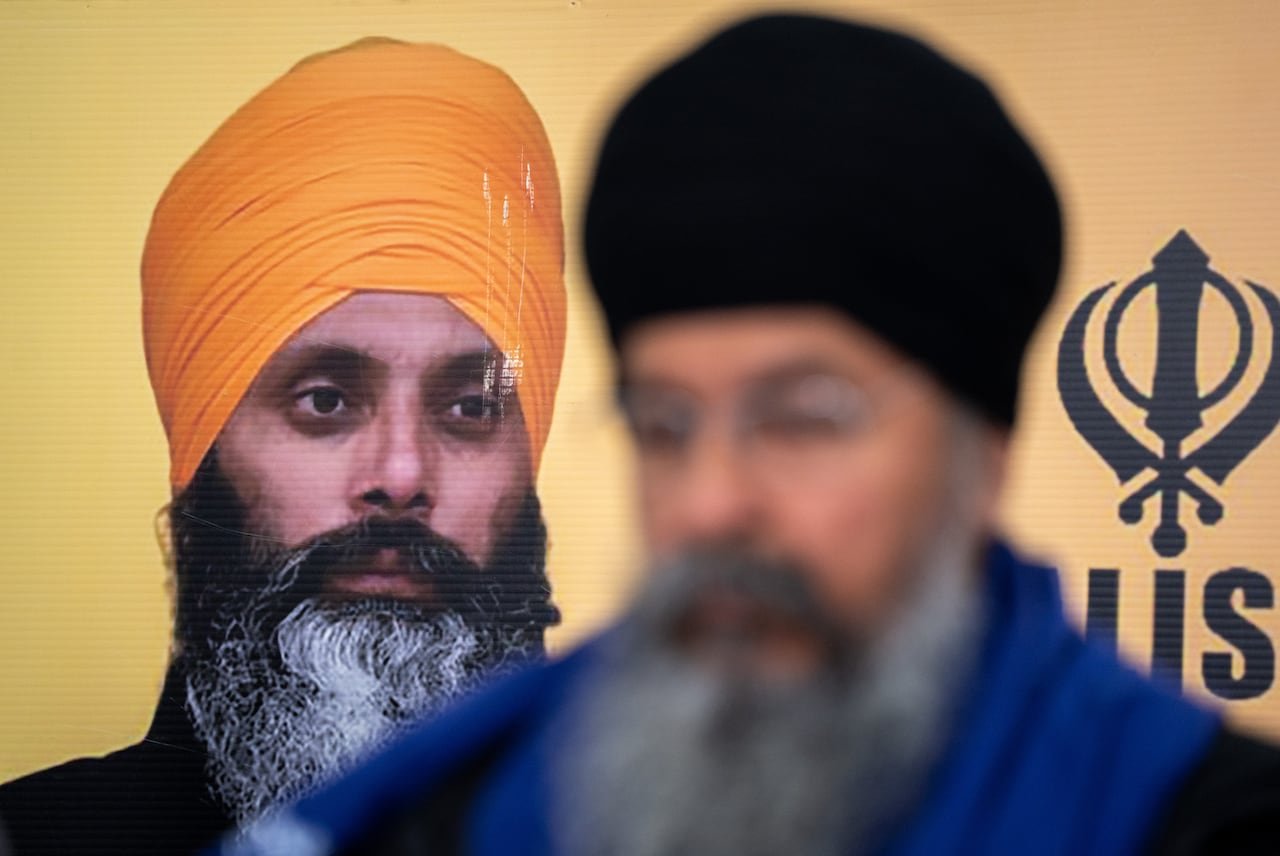
Despite these challenges, Eby emphasized the necessity of raising concerns about transnational repression while safeguarding economic interests.
The Impact of Trump’s Tariffs
The warming relations between Canada and India gained momentum under Prime Minister Mark Carney, prompted by mutual concerns over U.S. tariffs and a shared interest in fostering cooperation.
The strategic shift in trade policies mirrors India’s flexible approach to international relations, emphasizing the need for adaptability in a changing global landscape.