



Greetings in our weekly newsletter where we shed light on environmental trends and solutions driving us towards a more sustainable future.
Hello, this is Anand. As several countries are dialing back their electric vehicle (EV) ambitions, it raises questions about the tangible benefits of the current electric progress.
Highlights for this week:
- The Positive Ripple Effects of EV Adoption on Communities
- Assessing Snow Drought in Western Regions
- Call for Removal of Artificial Islands in Norman Wells by Chief
The Positive Ripple Effects of EV Adoption on Communities
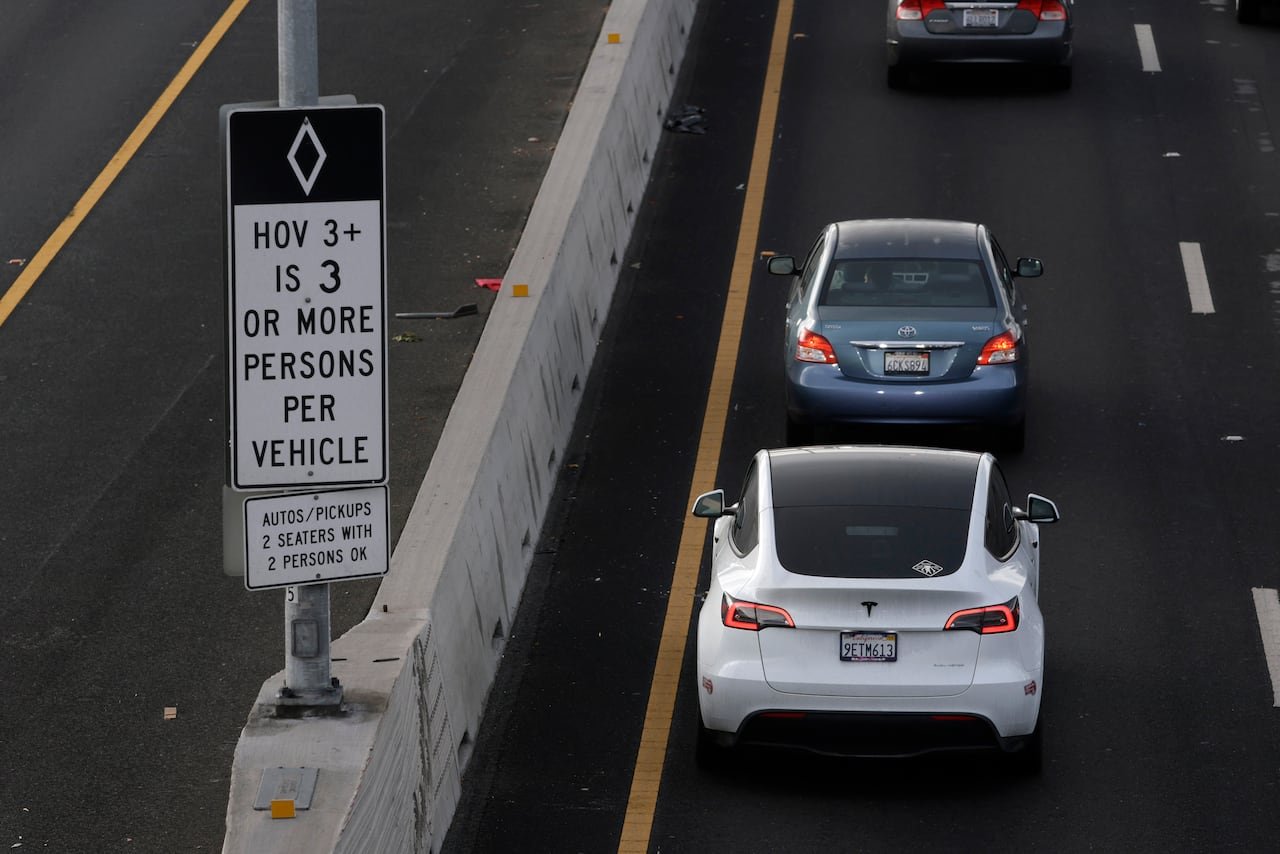
Canada once steered towards an electrified transportation future, but the path has diverged in 2026. The EU and the U.S. have also adjusted their EV strategies. Despite these shifts, the number of emissions-free vehicles has surged to 60 million in 2025 from 26 million in 2022, reflecting a substantial growth in EV adoption and tangible benefits.
Improvements in Air Quality Due to EVs
A study published in The Lancet Planetary Health focused on California, known for its congested traffic and EV leadership. The research analyzed the impact of zero-emission vehicles on nitrogen dioxide (NO2) levels, a harmful pollutant linked to respiratory issues and premature death. The study revealed that a rise in zero-emission vehicles in a neighborhood led to a 1.1% annual decrease in NO2 levels, showcasing the positive effect of EVs on air quality.

The study utilized data from the Sentinel-5P satellite to monitor NO2 levels in California and highlighted the correlation between EV adoption and reduced air pollution. Marianne Hatzopoulou, a professor at the University of Toronto, emphasized the significance of even minor air quality improvements in combating pollution-related health issues.
Addressing Health Impacts of EVs
Research conducted in the U.S. examined the health benefits of vehicle electrification, indicating a potential reduction in air pollution-related premature mortality. By transitioning to electric vehicles, the study estimated a significant decrease in premature deaths caused by air pollution, underlining the importance of EVs in enhancing public health.
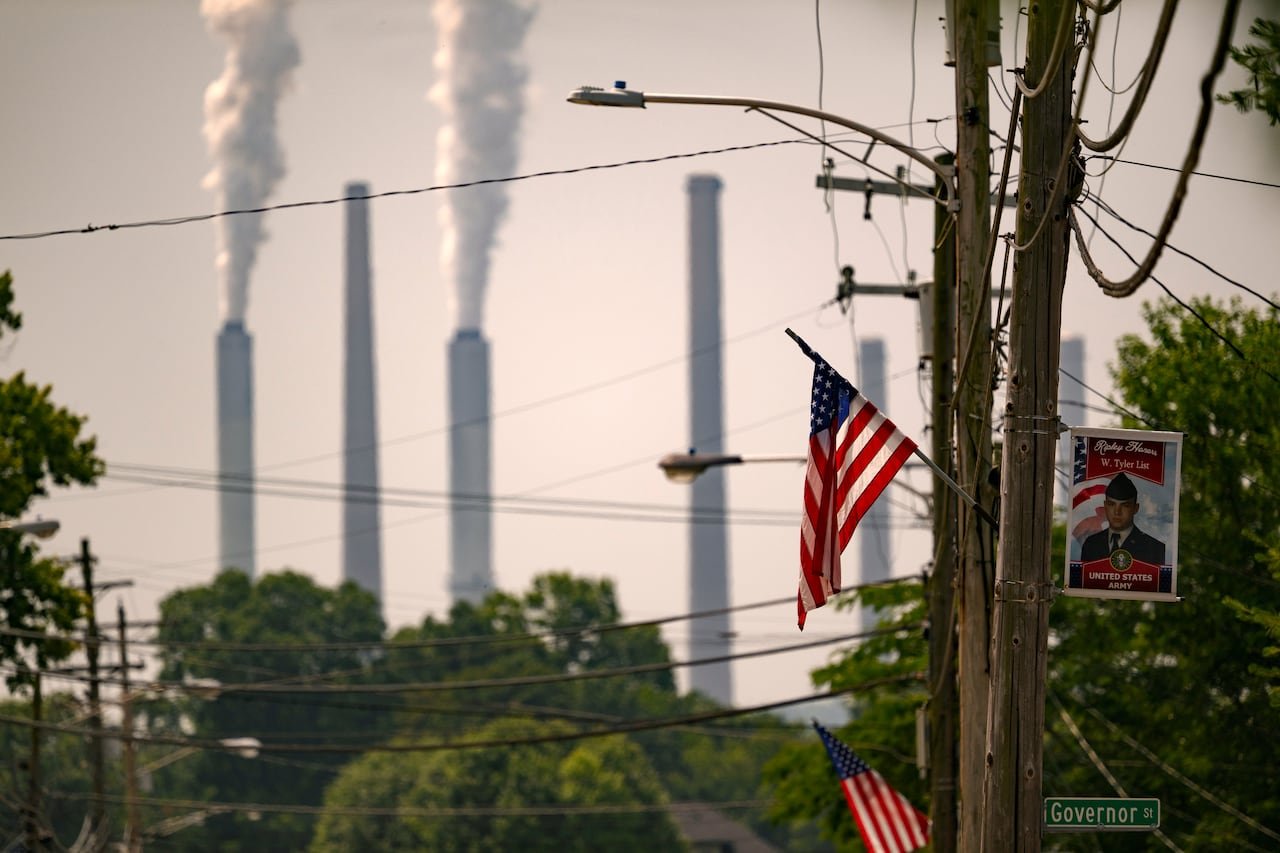
However, the source of electricity for EVs plays a crucial role in determining their environmental impact. A transition to cleaner energy sources is essential to maximize the benefits of EVs and minimize the health risks associated with fossil fuel-based electricity generation.
Additional Benefits Beyond the Obvious
EVs offer not only environmental advantages but also innovative features like bi-directional charging, enabling owners to power their homes during emergencies. This technology not only enhances individual